


US Says Iran Rejected Nuclear Offer Before Preemptive Strikes
RFE
01 Mar 2026, 04:24 GMT+10

 Share
Share
 Tweet
Tweet
 Share
Share
 Flip
Flip
 Email
Email
Subscribe and Follow
Get a daily dose of Calgary Monitor news through our daily email, its complimentary and keeps you fully up to date with world and business news as well.


News RELEASES
Publish news of your business, community or sports group, personnel appointments, major event and more by submitting a news release to Calgary Monitor.
More Information"Acted to stop an existential threat to Israel, to our allies, and to global stability": Israel's Ambassador to UN
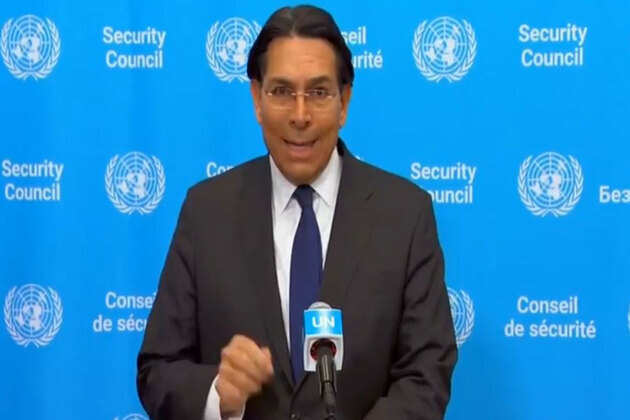
Paris [France], March 1 (ANI): Israel's Ambassador to the United Nations Danny Danon said that Israel, together with the United States,...
US Says Iran Rejected Nuclear Offer Before Preemptive Strikes
WASHINGTON -- The United States said on February 28 that it launched preemptive military strikes against Iran after concluding that...
"Greatest chance for Iranian people to take back their country": Trump after Khamenei's death in Tehran strike
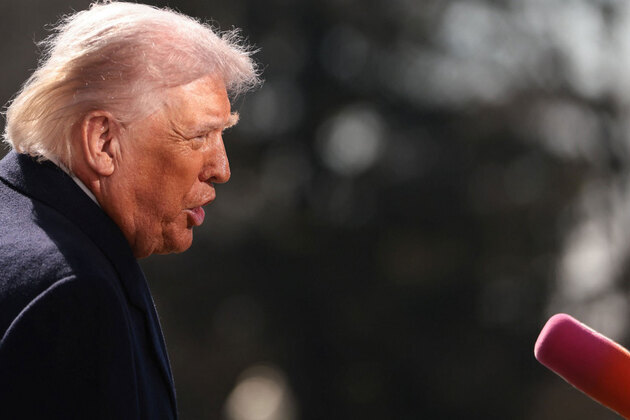
Washington DC [US], March 1 (ANI): US President Donald Trump on Saturday (local time) said that Iran's Supreme Leader Ali Khamenei...
"Lead architect of global terrorism is DEAD": House Republicans on reported death of Iran's Khamenei
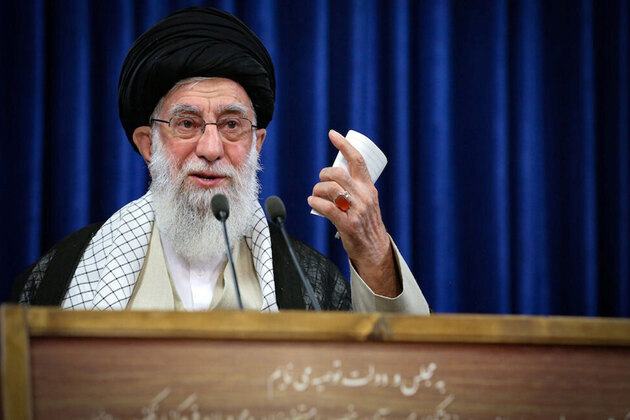
Washington DC [US], March 1 (ANI): The Republican leadership in the United States House of Representatives on Saturday (local time)...
President Trump monitors US military action in Iran

Washington DC [US], March 1 (ANI): US President Donald Trump is closely overseeing ongoing American military actions in Iran, which...
444 flights likely to be cancelled amid Iran-Israel tensions: MoCA

New Delhi [India], March 1 (ANI): The Ministry of Civil Aviation on Sunday announced that 444 flights are expected to be cancelled...
Chicago Fire score twice in stoppage time, blank CF Montreal

(Photo credit: Mike Dinovo-Imagn Images) The host Chicago Fire scored twice in stoppage time during the second half to secure a 3-0...
"Worrisome development": Ex-Indian High Commissioner to Canada Vikas Swarup on Iran-Israel conflict
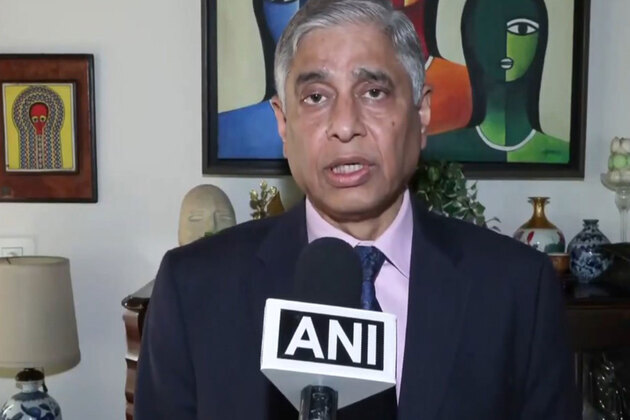
New Delhi [India], February 28 (ANI): Former Indian High Commissioner to Canada, Vikas Swarup, on Saturday termed US and Israel strikes...
Reports: Lionel Messi, Inter Miami to visit White House

(Photo credit: Sam Navarro-Imagn Images) Inter Miami received an invitation to the White House to commemorate the team's MLS Cup...
After flawless February, Spurs visit Knicks to open March

(Photo credit: Daniel Dunn-Imagn Images) The San Antonio Spurs ran the table in February, winning all 11 games to put themselves...
Inter Miami looks to get offense going against Orlando

(Photo credit: Kelvin Kuo-Imagn Images) Inter Miami led the MLS with 81 regular-season goals last season. Surprisingly, the defending...
"Iran principal source of instability, terror throughout Middle East...should never be allowed to obtain nuclear weapons": Canadian PM in Mumbai
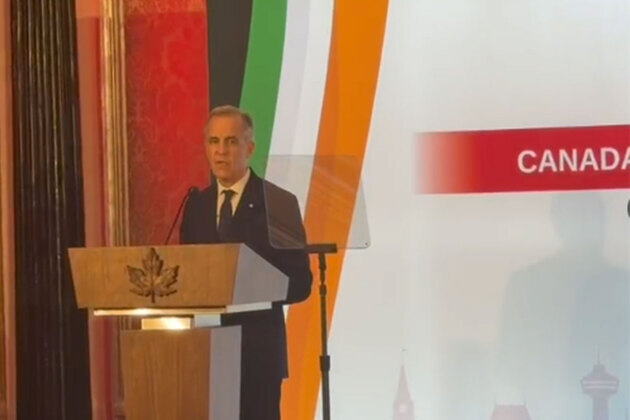
Mumbai (Maharashtra) [India], February 28 (ANI): Canadian Prime Minister Mark Carney on Saturday said that his country's position on...
